JOURNAL
Thoughts from the journey
Honest, evidence-based writing about whole-self wellness — the signals we tend and the becoming that happens when we show up.
 Nutrition
July 3, 20263 MIN
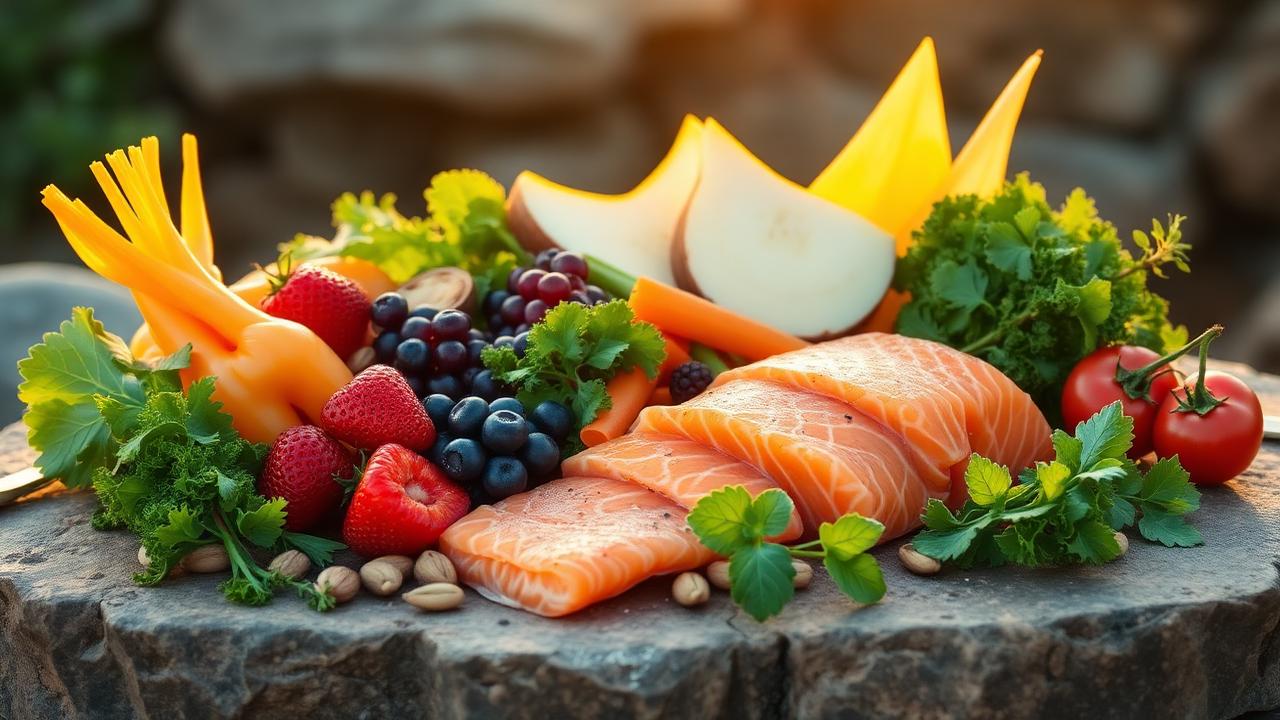
Is Oatmeal Anti-Inflammatory? What the Research Says
A closer look at one of breakfast's quiet powerhouses
Oatmeal contains fiber and unique antioxidants linked to lower inflammation — but how you make it matters. Here's the evidence and how to build an anti-inflammatory bowl.
READ → Movement
July 2, 20263 MIN
The Best Time of Day to Exercise (According to Science)
Morning, afternoon, or evening — what the research really says
Is morning or evening exercise better? The research shows benefits to each — but the single biggest factor is the time you'll actually stick to. Here's how to choose.
READ → Mental Wellness
July 1, 20264 MIN
How to Calm Down Fast When You're Overwhelmed
Quick, science-backed ways to settle your nervous system
When stress spikes, you can calm your body in minutes. Here are fast, evidence-based techniques — from paced breathing to cold water — that actually work.
READ → Sleep
SleepJune 30, 20264 MIN
How to Fall Asleep Faster: 12 Evidence-Based Steps
Calm your body and quiet your mind — backed by sleep science
Falling asleep faster usually isn't about trying harder — it's about the right cues. Here are 12 evidence-based steps to wind down and drift off sooner.
READ → Hydration
June 29, 20264 MIN
How Many Ounces of Water a Day Do You Actually Need?
A clear, science-based answer — without the myths
Most adults need roughly 90–125 oz of total water a day — but food counts, and your real number shifts with heat, exercise, and body size. Here's how to find yours.
READ → Science
June 28, 20261 MIN
Welcome to ELYR
Why we built a wellness engine that learns the whole you
Most trackers count one thing. ELYR reads seven signals — sleep, hydration, movement, nutrition, mood, connection, and recovery — to guide your whole self.
READ →ScienceJune 28, 20261 MIN
Why Tracking One Metric Fails
Steps and calories can't see the whole picture
Counting only steps or calories misses how sleep, stress, hydration, and mood shape your health. Here's why whole-self tracking works better.
READ →